Rio De Janeiro South America Watercolor: A Designer’s Real-World Review
First Impressions: A Lush, Laid-Back Embroidery Vibe
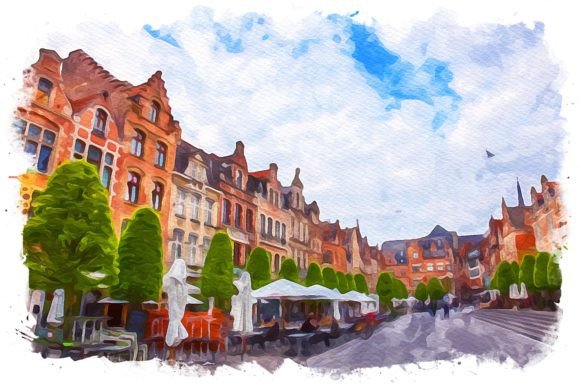
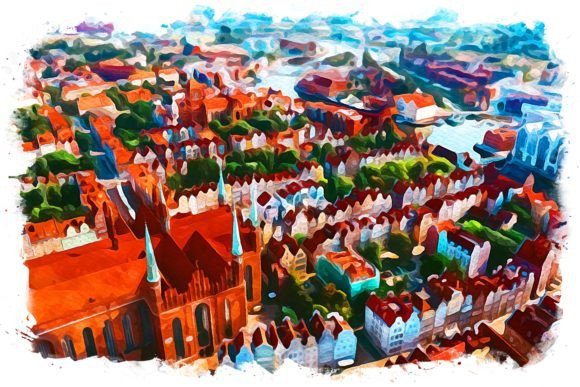
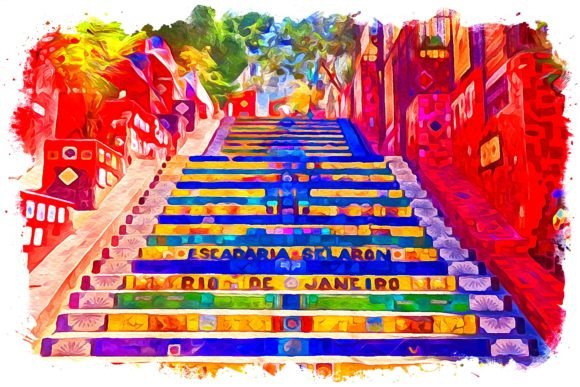
Opening the Rio De Janeiro South America Watercolor design file, I was immediately struck by its dreamy, painterly aesthetic. This isn’t a crisp, graphic illustration—it’s soft, textured, and full of movement. The watercolor style gives it a hand-painted feel, with blurred edges and layered hues that mimic brushstrokes. It’s the kind of embroidery design that feels like a vacation in thread form, perfect for a beach-themed tote, a boutique sweatshirt, or a personalized baby blanket.
As a designer who often works with Etsy sellers and small craft businesses, I know how important it is for a design to feel both unique and wearable. This one hits that sweet spot—artistic enough to stand out, but not so niche that it limits its audience. The layout is balanced, with Rio’s iconic skyline and palm trees arranged in a gentle curve, making it ideal for curved surfaces like baseball caps or rounded pillow covers.
Real-World Use: From Totes to Sweatshirts and Baby Gear
I tested the Rio De Janeiro South America Watercolor design on a few different embroidery projects to get a sense of how it translates from screen to stitch. On a natural cotton tote bag, it looked soft and organic—like a piece of travel art stitched into fabric. The fill stitches were clean, and the color transitions felt intentional, not muddy, which is a common issue with watercolor-style embroidery.
When I stitched it onto a hoodie, the design held up well even with the thicker fabric. The satin stitch outlines helped define the skyline and palm trees, preventing the soft watercolor effect from getting lost in the texture. For a baby item—like a personalized burp cloth—the design felt whimsical and upscale, giving that handmade touch that Etsy shoppers love.
One thing I noticed is that the design’s painterly style works best when given some breathing room. On smaller hoop sizes, the details start to compress, and the watercolor effect loses some of its charm. It really shines on larger surfaces—think sweatshirts, throw pillows, or even a custom apron for a boutique kitchen brand.
Where to Use It Carefully
While the Rio De Janeiro South America Watercolor design is versatile, it’s not a one-size-fits-all solution. I wouldn’t recommend it for very small hoop sizes—anything under 4x4 inches starts to flatten the design’s personality. The same goes for highly textured or stretchy fabrics. On a ribbed baby onesie or a fuzzy sweatshirt, some of the finer details get lost or distorted.
Dark fabrics also require some extra thought. The watercolor palette relies on light and mid-tone shades, so on black or navy backgrounds, the design needs a white underlay or light-colored stabilizer to pop. I tested it on a navy tote and had to adjust the thread colors slightly to maintain contrast—something to keep in mind when prepping for a client project or Etsy listing.
Curved surfaces like caps and hats can also present a challenge. The natural curve of a baseball cap’s front tends to warp the skyline slightly, so I’d suggest using a smaller version of the design or focusing on just one element—like a palm tree or wave motif—rather than the full illustration.
Impact on Product Appeal and Customer Perception
From a business perspective, the Rio De Janeiro South America Watercolor design has strong visual appeal and marketability. It fits right into the coastal, travel, and artisanal niches that are currently trending on Etsy and at craft fairs. Customers respond well to designs that feel personal and artistic, and this one definitely conveys that handmade, boutique-quality vibe.
When used in a finished product—say, a custom embroidered sweatshirt for a small apparel brand—it elevates the perceived value. Buyers are willing to pay more for something that looks unique and intentional, and this design delivers that. Plus, it’s versatile enough to be used in holiday gifts, wedding favors, or even commercial embroidery for boutique hotels or travel brands.
That said, it’s not the most versatile for every niche. If you’re running a rugged outdoor brand or a minimalist fashion line, this watercolor style might not align with your brand aesthetic. But for anything coastal, tropical, or lifestyle-focused, it’s a strong contender.
Practical Notes for Embroidery Designers
- Test on scrap fabric before stitching onto your final product, especially if you’re working with stretchy or textured materials.
- Check thread color contrast if stitching on dark fabrics—consider adding a white underlay or adjusting the palette.
- Review stitch density to avoid puckering on lightweight fabrics like linen or baby jersey.
- Confirm hoop size matches the design dimensions—don’t try to squeeze it into a small hoop.
- Inspect small details like skyline edges and palm fronds to ensure they stitch cleanly.
- Try black and white mockups to see how the design reads without color distractions.
- Compare light and dark fabric backgrounds to determine best use cases.
- Use proper stabilizer—a medium-weight tear-away or wash-away stabilizer works best with this design style.
- Verify licensing if you’re planning to sell finished items or digital embroidery files—especially if you’re reselling on Etsy or in a small shop.
Final Thoughts: A Solid Addition to Your Embroidery Design Kit
Overall, the Rio De Janeiro South America Watercolor design is a beautiful, usable asset for any embroidery designer or small business owner. It brings a sense of artistry and travel-inspired charm to custom apparel, personalized gifts, and boutique merchandise. While it has some limitations in small spaces and on tricky fabrics, it more than makes up for that with its visual impact and market appeal.
If you’re looking for a design that feels both handmade and high-quality—something that Etsy buyers and boutique customers will love—this one is worth adding to your collection. Just remember to test it thoroughly, adjust for your fabric and product type, and make sure it fits your brand’s overall aesthetic before launching it into your shop or client work.