Acadia U.S.A. Watercolor: A Designer’s Real-World Embroidery Review
First Glance: A Laid-Back, Artistic Vibe
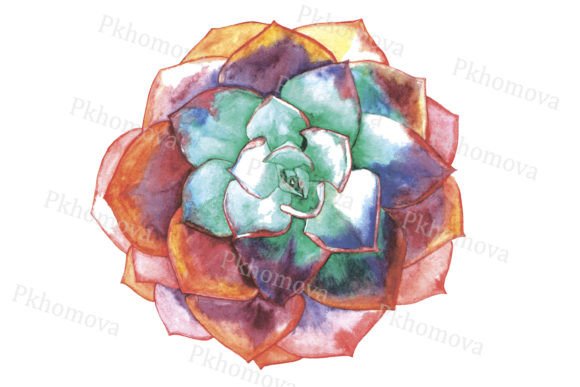
When I first opened the Acadia U.S.A. Watercolor embroidery design, I was immediately struck by its soft, painterly aesthetic. It feels like a digital brushstroke translated into thread—organic, slightly textured, and full of movement. The layout mimics a hand-painted illustration, giving it a unique character that stands apart from more structured or graphic embroidery files.
This design carries a nostalgic, almost dreamy mood, which makes it ideal for projects that lean into storytelling or emotional branding. It's not just a design—it's a visual narrative, perfect for small businesses or Etsy sellers looking to add a touch of authenticity to their handmade items.
Real-World Use: From Tote Bags to Baby Clothes
I tested the Acadia U.S.A. Watercolor on a few different materials, starting with a cotton tote bag. The design stitched out cleanly, with the watercolor texture translating surprisingly well into satin and fill stitches. The subtle gradations in the design didn’t flatten out completely, which is a win—many digital illustrations lose their depth when converted to embroidery files.
Next, I tried it on a baby onesie. The fabric was a bit stretchier than I prefer, but with a lightweight stabilizer underneath, the details held up. The design’s soft edges helped mask any minor shifting in the stitch lines, which is a big plus when working with delicate garments.
For a more commercial application, I stitched it onto a twill patch. The watercolor texture gave the patch a handcrafted feel that could easily be used in boutique branding or custom apparel lines. It added a level of sophistication without feeling too formal—perfect for small shop owners curating a unique product line.
Where to Use It Carefully
While the Acadia U.S.A. Watercolor is versatile, it does require thoughtful placement. On dark fabrics, the lighter, more translucent elements of the design can get lost. I recommend adjusting thread colors or enhancing contrast in the file before stitching out on darker materials.
It also doesn’t handle tight hoop sizes well. I tried it in a 4x4 hoop and found that the softer details began to blur together. If you're planning to use this in small formats—like on a cap or a corner accent—you may need to simplify or adjust the design for clarity.
On textured or layered garments like sweatshirts or quilted baby blankets, test the design first. The dense stitch areas can sink into thick fabric, making the watercolor effect less visible. A lightweight to medium-weight stabilizer and a test run on a similar fabric swatch will save time and thread.
Visual Appeal and Product Value
One of the biggest strengths of the Acadia U.S.A. Watercolor is how it elevates the perceived value of a finished product. It doesn’t scream “machine embroidery”—instead, it reads as a hand-painted element, which adds a layer of artistry to any item.
For Etsy sellers or craft fair vendors, this kind of design can help differentiate your work from mass-produced items. It appeals to buyers looking for something personal and meaningful—think personalized gifts, holiday keepsakes, or even wedding favors. The softness of the design makes it feel intimate, which is key when creating memorable handmade products.
From a branding standpoint, this design works well for small businesses that want to incorporate a visual motif across multiple product lines. Whether it's on a tote bag, tea towel, or sweatshirt, the watercolor style maintains a cohesive look that supports a relaxed, creative brand identity.
Designer Notes: Practical Tips Before You Stitch
- Test on scrap fabric first: Especially if you're using a new material or stabilizer combination.
- Check thread color contrast: The watercolor effect relies on subtle variations, so choose colors that enhance rather than flatten the design.
- Review stitch density: Some areas may be more dense than others—adjust if needed for soft or stretchy fabrics.
- Confirm hoop size: Don’t assume it fits your machine—measure the design dimensions before hooping.
- Inspect small details: Look for fine lines or soft edges that might not stitch clearly on certain fabrics.
- Test in black and white mockups: Helps you see how the design structure holds up without color distractions.
- Compare light and dark fabric backgrounds: The same design can look dramatically different depending on fabric color.
- Use proper stabilizer: Lightweight or stretchy fabrics will need a tear-away or wash-away backing for best results.
- Check commercial use licensing: Make sure the design is cleared for resale if you're selling finished products or digital embroidery files.
Final Thoughts: A Design That Feels Like Art
As someone who reviews a lot of digital embroidery files, I can say that the Acadia U.S.A. Watercolor stands out—not because it’s flashy, but because it’s expressive. It’s a design that invites creativity and personalization, making it a solid choice for crafters, Etsy sellers, and small business owners who want to add a unique touch to their work.
It’s not a one-size-fits-all embroidery file, but that’s exactly what makes it special. It asks for a bit more thought in placement and execution, but the payoff is a finished product that feels handcrafted and meaningful. Whether you're stitching a personalized gift, building a boutique collection, or adding to your design assets, Acadia U.S.A. Watercolor is worth considering for its visual depth and emotional resonance.